


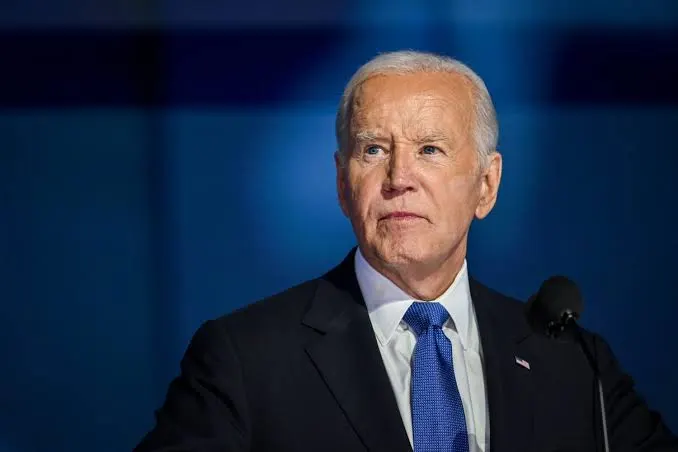
As the dust settles on the Biden administration, a new constitutional debate is emerging on Capitol Hill. House Oversight Committee Chairman James Comer (R-KY) has signaled that the committee’s ongoing investigation into former President Joe Biden’s final months in office may challenge the legal permanence of certain executive actions, citing concerns over cognitive capacity and the use of automated signature devices.
The investigation focuses on a specific question: to what extent can a president’s staff exercise executive authority if the commander-in-chief is potentially incapacitated? At the heart of Chairman Comer’s argument is the administration’s reliance on the “autopen”—a device used by several past presidents to reproduce their signatures on official documents.
“The Constitution vests executive power in one person: the President,” Comer stated in a recent interview. “If evidence suggests that signatures were affixed to pardons or executive orders without the President’s informed consent or understanding, we are no longer looking at administrative convenience; we are looking at a potential usurpation of power by unelected aides.”
The Autopen Controversy
While the Department of Justice ruled in 2005 that the use of an autopen is legally valid when authorized by the president, Comer argues that “authorization” requires a level of cognitive awareness that he claims may have been absent during the latter half of 2024.
The committee’s inquiry gained momentum following the fallout from the June 2024 presidential debate. The performance, which led to Biden’s eventual withdrawal from the re-election race, serves as a chronological benchmark for investigators. Comer suggests that any sweeping executive actions taken after that point—specifically high-profile pardons and regulatory shifts—demand “heightened scrutiny” to ensure they were the product of the President’s own volition.
Legal and Constitutional Hurdles
Legal scholars remain skeptical about the feasibility of overturning executive actions retroactively. The presidential pardon power, in particular, has long been viewed as one of the most insulated authorities in the American system.
Alan Dershowitz, Harvard Law professor emeritus, has noted that while the “autopen” is a recognized tool, the intersection of technology and mental capacity creates “uncharted legal territory.” According to Dershowitz, a challenge would likely require a “smoking gun” showing that staff acted entirely independently of the President’s knowledge—a high evidentiary bar that has yet to be met.
A Question of Accountability
Beyond the legal mechanics, the Oversight Committee is framing the issue as one of democratic accountability. Critics of the investigation argue that it is a partisan attempt to litigate a former president’s legacy. Conversely, proponents argue that the investigation is a necessary check to ensure that the executive branch operates within its constitutional bounds, even during a transition of power.
As the committee continues to review internal White House communications and interview former staff members, the investigation remains a flashpoint in the broader debate over presidential fitness and the “unelected” influence within the West Wing. For now, no formal legal challenges have been filed to vacate specific orders, but the rhetoric suggests that the final chapter of the Biden presidency may ultimately be written in the courts.
