




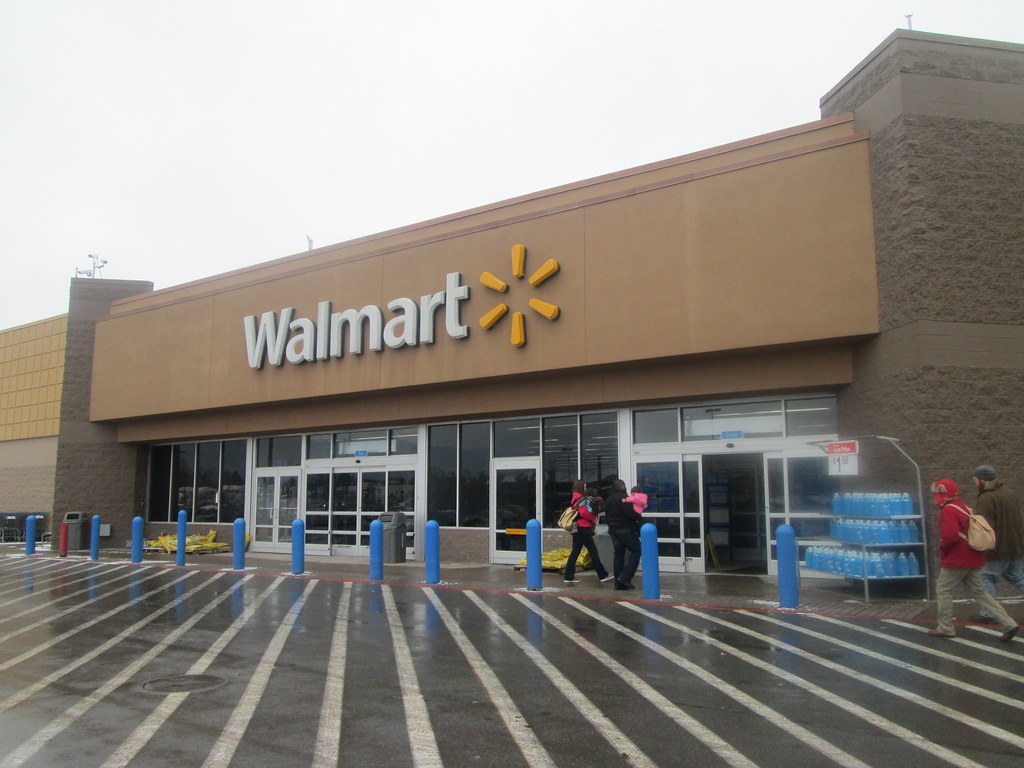
Walmart is handling self-checkout differently. Instead of just installing extra machines, they are mixing smart technology into the process. Artificial intelligence now helps run checkouts, shoppers can scan items on their phones while moving through aisles, and a few stores are testing systems where payment happens without scanning at all.
In places with higher theft rates, fewer standard kiosks stay open, while membership-only lines appear in select spots. These moves aim to cut losses, manage staff needs, and keep service steady. These changes show how big chains adapt when technology meets real-world challenges. Vendors who make kiosks, companies that supply point-of-sale tools, and retailers across the industry are paying close attention—what works here often spreads later.
Significant shifts are occurring in how Walmart manages its technology. Not long ago, they relied heavily on outside help; now, things are shifting toward keeping everything inside the company. NCR once played a larger role, but that influence is slowly fading into background duty as Walmart takes control of its own tech stack.
The Reality Check: Is Walmart Removing Self-Checkout?
Insight: Walmart is not ditching self-checkout in 2025. That idea mostly appears in headlines attempting to grab attention. While a few stores are tweaking operations, it doesn’t mean every location follows suit.
The company usually makes careful moves, adjusting slowly block by block rather than tearing everything down across the board. Some Walmart locations will continue with standard self-checkout, though a few are scaling back where theft spikes or lines become unmanageable. Rather than applying the same setup everywhere, adjustments depend on each store’s layout and loss patterns.
Behind these changes sits a mix of staffed registers, tech-enhanced kiosks using smart cameras, phone-based scanning, and even test runs without any checkout at all. Store type shapes what you’ll see up front—there is no longer a universal plan that fits every aisle.
Key Technology Changes (2024–2025)
Over the past 12 months, Walmart has made significant strides in advancing its checkout technology.
1. Checkout-Free Store Pilots and Computer Vision
One big shift involves testing checkout-free locations. These smart shops skip traditional lines entirely. Using cameras plus computer vision helps track items picked up by shoppers. One trial swaps out cashiers for “invisible” tech; as people exit, their bill adds up silently through sensor networks.
Stores watch movement, weight shifts on shelves, and even hand grabs. Behind the scenes, software connects each item to a shopper’s account. While this could save money on staff, it raises concerns about capital expenditure and personal data privacy.
2. AI-Powered Kiosks
Walmart is deploying checkout machines that think for themselves. Not only do they scan items automatically, but they also learn from mistakes. Cameras watch every move to spot when someone forgets to ring up a purchase or accidentally misidentifies an item. The system is getting sharper at distinguishing products—like telling apples from oranges—without user input.
3. Mobile Scan & Go Expansion
Now rolling into more locations, Walmart’s mobile scan feature lets shoppers tally purchases on their phones while moving through aisles. Payment happens inside the app after scanning each item, allowing customers to bypass old-style lines. This shifts the cost of hardware to the software ecosystem and speeds up the exit process.
Summary of Tech Highlights
| Category | What’s Happening | Why It Matters |
| Checkout-free pilots | Smart stores with no checkout lanes | Reduces labor but raises privacy & cost questions |
| AI & automation | Computer vision, Machine Learning | Shrink reduction + faster throughput |
| Mobile Scan & Go | App-based checkout | Shifts cost to software ecosystem |
| Rebalancing kiosks | Fewer SCO lanes in some stores | Loss-driven redesign |
| Loss prevention tech | RFID, AI vision | Fraud mitigation |
| Member lanes | Walmart+ priority | Monetized convenience |
User Experience and Accessibility
Contactless Payment Options
Walmart’s updated self-service kiosks now accept more forms of digital cash, including phones that beam payments and tap-to-pay credit cards. The system has adjusted to modern habits—less touching, more tapping—without fanfare.
AI-Driven Queue Management
Sensors now keep an eye on how long people wait. When lines grow, AI triggers more lanes to open or alerts staff. The process adjusts in real-time to boost efficiency quietly behind the scenes.
Voice-Assisted and Accessibility-Focused Checkout
Starting with spoken commands, shoppers can now move through checkout using just their voice at certain locations. A new kind of kiosk listens and responds, helping people who may struggle with traditional screens. This approach uses natural language processing to guide customers, opening easier access for those with visual or motor challenges.
Walmart+ Member Exclusives
Walmart+ now links directly into how members move through checkout lines. Some stores offer special paths just for members, increasing speed when scanning items alone and offering quicker exits at self-service stations.
Beyond the Checkout: Broader Tech Innovations
Walmart’s technological evolution extends well beyond the front lanes:
-
Drone Delivery: Collaborations with DroneUp, Zipline, and Flytrex allow small aircraft to drop packages near homes, handling urgent runs when roads are crowded.
-
AI Inventory Management: Smart systems predict what shoppers want before shelves empty, keeping stock balanced through constant background updates.
-
Autonomous Vehicles: Robots are being tested for deliveries straight to homes and for moving cargo across distances without drivers.
-
Augmented Reality (AR): Shoppers can use screens to see how clothes look without fitting rooms or preview furniture in their living space. Digital overlays on phone screens guide customers through aisles.
-
Blockchain Transparency: A digital ledger tracks goods from source to shelf, ensuring food safety and authenticity by creating a timestamped record for ingredients.
-
Robotics: Automated pickup towers, shelf-scanning robots, and floor-cleaning machines are increasingly common in warehouses and stores.
Fintech and Crypto Integration: OnePay
An under-discussed element of Walmart’s strategy is its backing of the OnePay app. As of 2026, the roadmap suggests users will be able to convert crypto into dollars within the app, which can then be used at Walmart Checkout.
When a customer “spends” crypto at Walmart, OnePay sells the crypto for USD and credits the user’s cash balance. The customer then pays Walmart using that balance via card or app. Walmart never touches Bitcoin or Ethereum directly; all volatility and conversion logic stay inside OnePay.
By backing OnePay, Walmart aims to own more of the customer’s financial relationship, capturing fintech economics that would otherwise go to banks. This allows for granular transaction data analysis, improving targeted promotions and credit underwriting.
Frequently Asked Questions
Is Walmart removing self-checkout?
No, Walmart is not eliminating self-checkout entirely. However, it is selectively reducing or reconfiguring traditional self-checkout lanes in certain high-theft or high-friction stores. The strategy is shifting toward location-specific setups that combine attended checkout, AI-assisted kiosks, and mobile Scan & Go.
Does Walmart still use NCR for self-checkout?
Yes, Walmart still uses NCR Voyix technology, but its role has diminished. Walmart has increasingly brought software and analytics in-house. NCR now functions more as a hardware or fallback infrastructure provider rather than the primary driver of innovation.
How does Scan & Go differ from kiosk checkout?
Scan & Go allows customers to use their smartphones to scan items while shopping and pay directly in the Walmart app, bypassing fixed kiosks. Traditional self-checkout still requires scanning items at a terminal at the end of the trip.
Are checkout-free stores replacing kiosks?
No. Checkout-free stores are pilots, not replacements. They are being tested in limited environments to evaluate labor savings and accuracy. For most locations, hybrid checkout models will remain the standard.
