




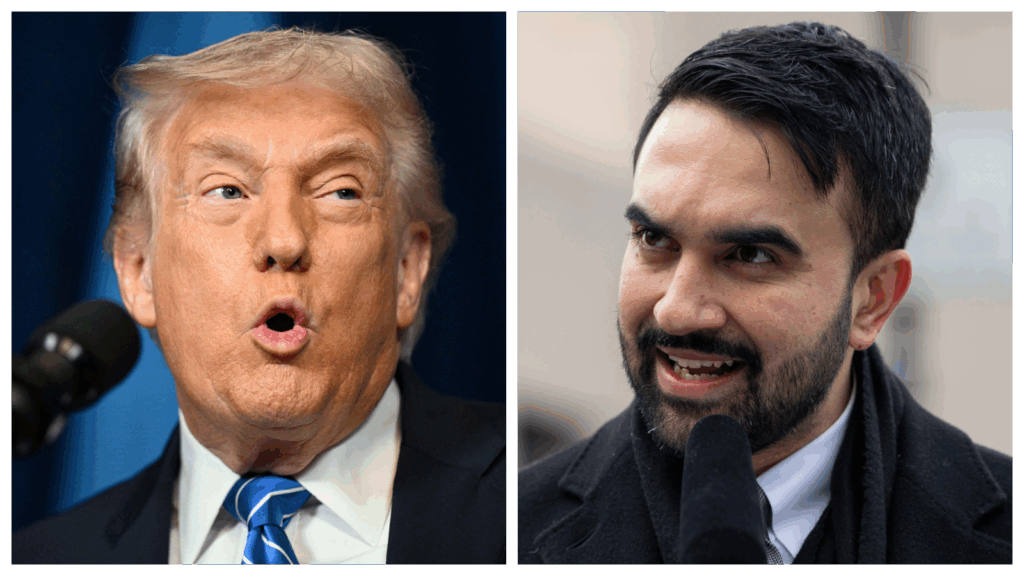
The long-standing stalemate between the United States and Venezuela remains one of the most volatile flashpoints in the Western Hemisphere. With the reinstatement of aggressive foreign policy doctrines and the lingering weight of the 2020 U.S. Department of Justice indictments against Nicolás Maduro, analysts are increasingly “wargaming” the consequences of a direct intervention.
A hypothetical scenario in which U.S. forces execute a direct capture of the Venezuelan leadership offers a stark lens through which to view the complexities of modern sovereignty, energy security, and international law. Such an event would not merely be a regime change; it would be a seismic shift in global norms.
The Legal Pretext: Weaponizing the Indictment
Any potential U.S. operation would likely hinge on the narco-terrorism charges unsealed by the Southern District of New York. The involvement of figures such as Attorney General Pam Bondi would signal a shift from diplomatic sanctions to law enforcement absolutism.
-
The Charges: The indictment accuses the Maduro regime of conspiring with the FARC to flood the U.S. with cocaine, using “machine guns and destructive devices.”
-
The Precedent: While the U.S. has a history of intervention (e.g., Panama, 1989), applying extraterritorial law enforcement against a sitting head of state remains a legal gray area. Critics argue this blurs the line between judicial action and acts of war.
Domestic Fallout: The View from New York
The domestic impact of such foreign policy decisions is often immediate. New York City, a hub for the Venezuelan diaspora, would become a focal point of the backlash.
Prominent local leaders, such as New York politician Zohran Mamdani, have consistently voiced opposition to interventionist policies. In this scenario, leaders like Mamdani would likely frame the intervention not as justice, but as a violation of international sovereignty.
“Opposition to regime change is an opposition to the violation of federal international law,” Mamdani has argued regarding U.S. sanctions policy.
His stance highlights a critical fracture in U.S. politics: local leaders must increasingly manage the human fallout—migration waves, community unrest—of decisions made in Washington.
The Energy Equation: Oil and Stability
Venezuela holds the world’s largest proven oil reserves, making any intervention a matter of global energy security.
-
Market Disruption: A sudden power vacuum could halt production, spiking global oil prices.
-
Reconstruction Costs: Rehabilitating Venezuela’s degraded energy infrastructure would require billions in investment, raising questions about whether the intervention is driven by security or commercial interests.
-
Optics: If U.S. companies are seen as the primary beneficiaries of a transition, it could delegitimize any interim government and fuel anti-American sentiment across Latin America.
Global Reverberations: The Great Power Response
A unilateral U.S. move would inevitably trigger responses from rival superpowers who have invested heavily in Caracas.
-
Russia: Moscow would likely condemn the action as a flagrant violation of the UN Charter, potentially using it to justify its own aggressive maneuvers in Eastern Europe.
-
China: Beijing, concerned with the security of its loans and energy contracts, would frame the intervention as evidence of Western imperialism, complicating U.S.-China trade and diplomatic talks.
The Regional Dilemma
For Latin America, a direct U.S. intervention revives historical traumas of Cold War-era coups. While many regional leaders desire a transition in Venezuela, they fear the precedent of unilateralism. The silence or caution of neighboring governments would reflect a difficult balancing act: relief at the potential end of a regional crisis, weighed against the fear that they could be the next targets of extraterritorial enforcement.
Conclusion: The Fine Line of Legitimacy
While the removal of an authoritarian figure often carries moral support, the mechanism of removal matters. A transition managed through broad coalition-building and diplomatic pressure offers stability. Conversely, a unilateral “decapitation strike”—as analyzed in this scenario—risks creating a power vacuum, inciting violence, and isolating the United States on the world stage.
As Washington weighs its options in 2026, the hypothetical capture of Nicolás Maduro serves as a cautionary tale: decisive action creates immediate changes, but it is the long-term management of the aftermath that determines history.
